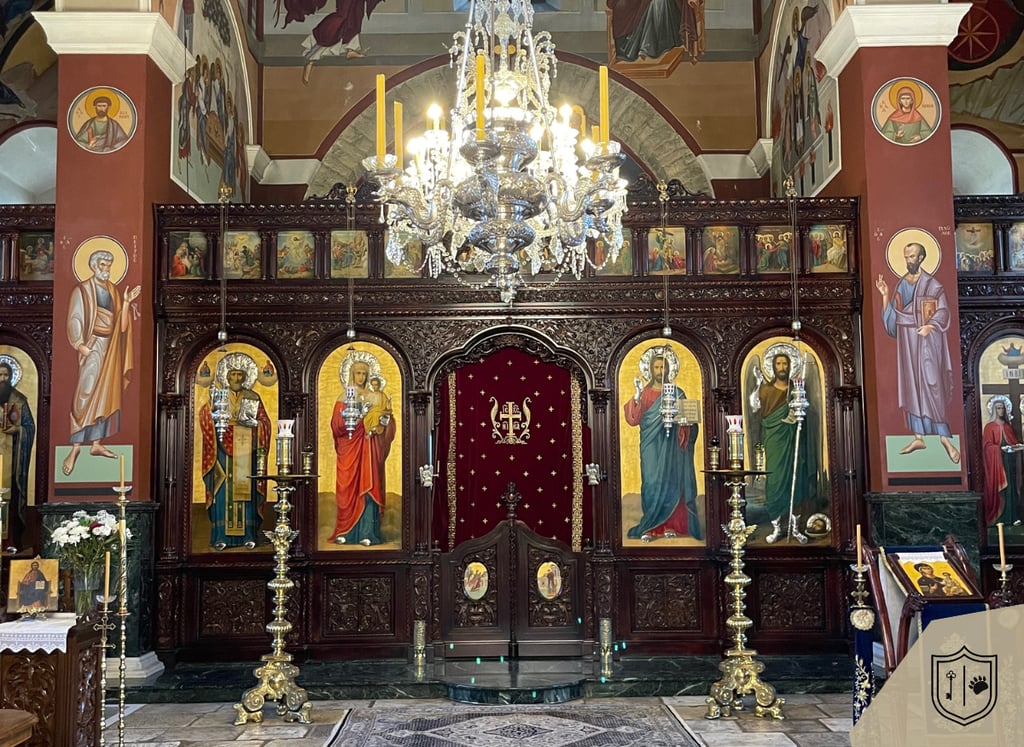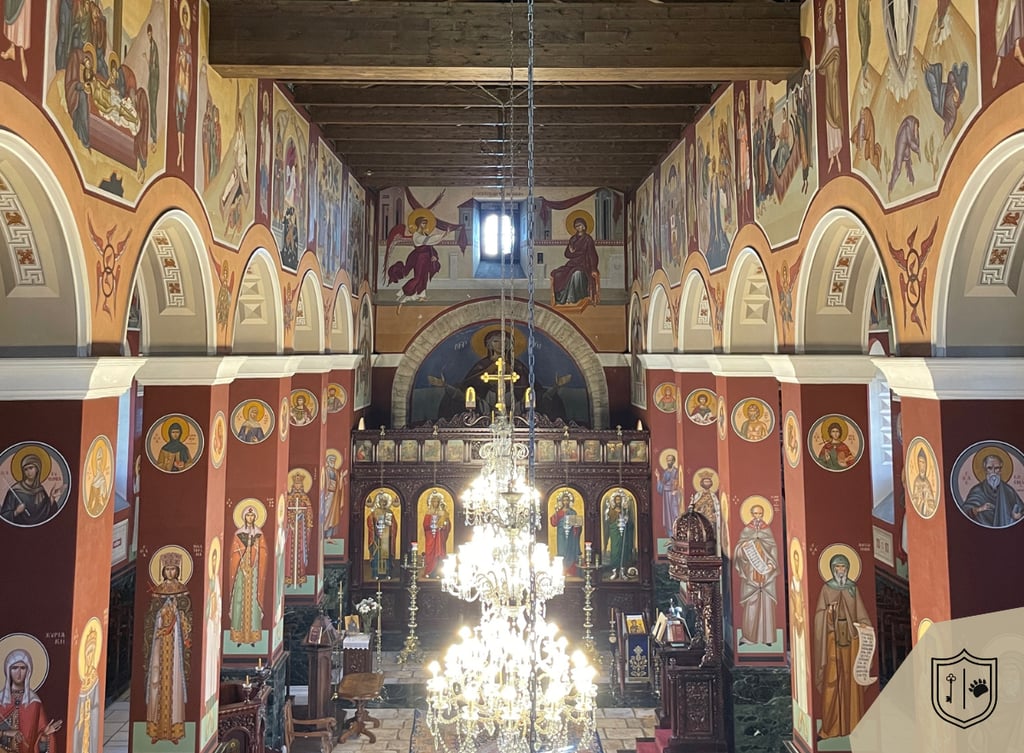


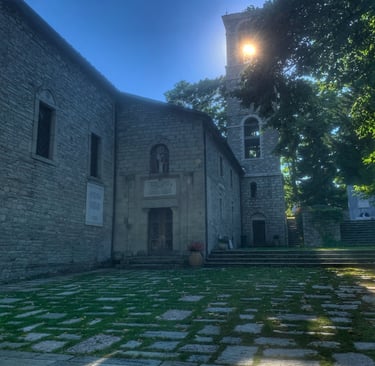
The Church of Saint Nicholas in Nymfaio.
A journey of faith, history and tradition in this magical village of Florina
11/11/20253 min read
✨ Arriving in Nymfaio
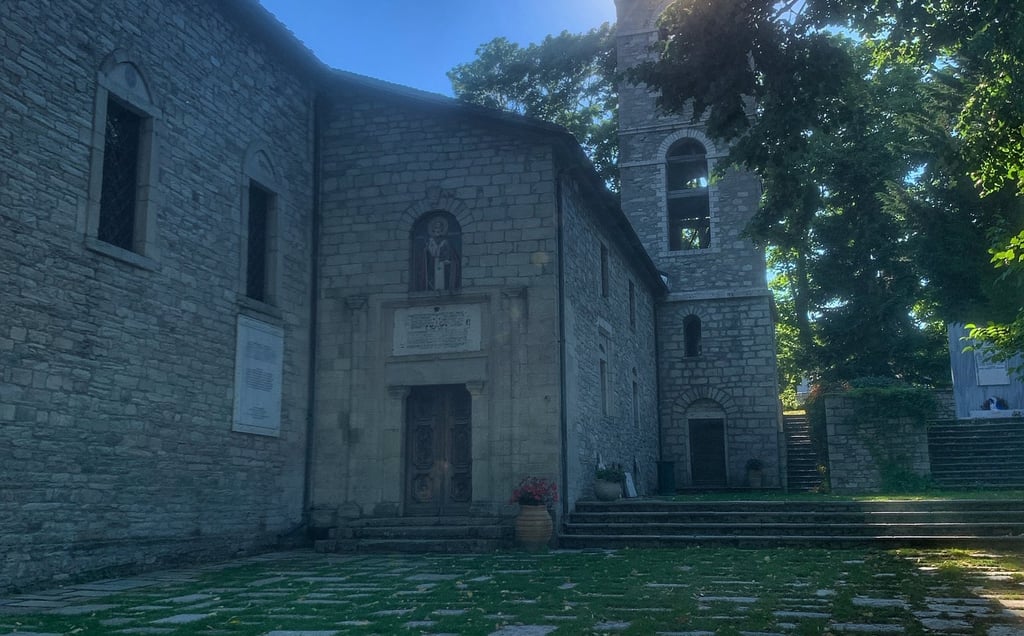
Nymfaio is one of those villages that seems to have stepped straight out of an old fairy tale. Stone mansions, metal rooftops, and quiet courtyards. If you let your gaze wander, it will naturally lead you to a central point in the village: the Church of Saint Nicholas, one of Nymfaio’s most remarkable treasures.
There, Father Ioannis Zezios, a native of the village, welcomed us with simple yet heartfelt words, guiding us through the church and sharing its story—a story carrying nearly two centuries of faith and memory.
🏛️ The History of the Church
The church was built in 1867 on the foundations of an earlier chapel, reflecting the prosperity and wealth of the village at the time. This flourishing period began a few decades earlier, when refugees from Moscopole and other Vlach villages settled in Nymfaio, bringing with them arts, traditions, and new energy to the local community.
In 1947, during the difficult years of the Civil War, the church was burned by rebels. Yet the villagers of Nymfaio did not give up. With the support of the Union of Editors and director N. Kraniotakis, the church was rebuilt in 1951, preserving its original form and volume.
Later, in 2000, thanks to the generous contribution of Nikos Sossidis, the church underwent a complete renovation, taking on the simple yet majestic appearance it has today.
🕍 Architecture – A Three-Aisled Wooden Roof Basilica
The church is a three-aisled wooden-roof basilica, an example of Macedonian basilica architecture, which is found mainly in northern Greece. This architectural style has its roots in the early Christian era and is distinguished by its symmetry, exposed roof, large volume, and elegant simplicity.
From the old church, three priceless relics have been preserved:
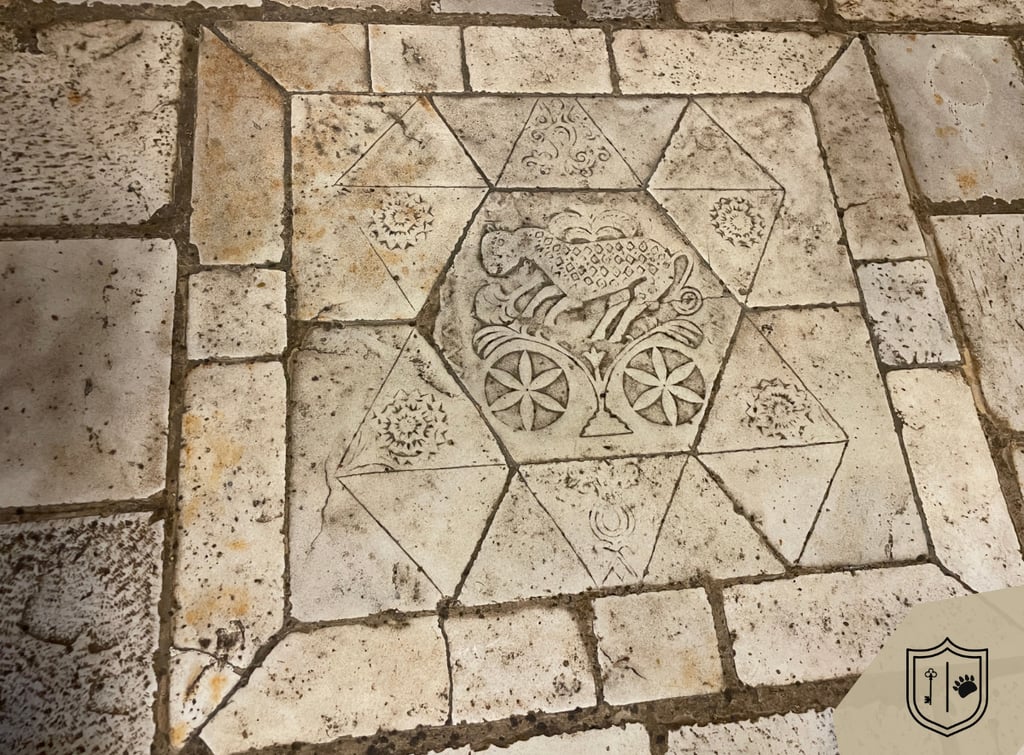
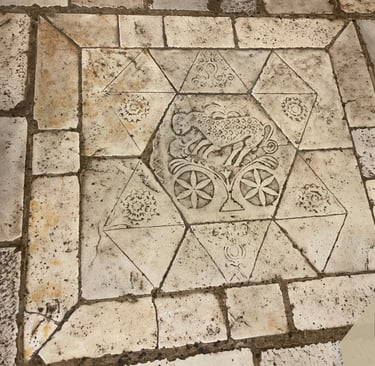
The unique marble floor
A pair of wedding crowns
The holy gospel used by priests when conducting weddings in villagers’ homes
Using 40 okas of silver (an old local measure), collected by the villagers themselves, the sacred vessels were crafted and are still preserved with great care today.
⚜️ The Marble Floor – A Unique Work of Art
The floor of Saint Nicholas Church is far more than a simple surface—it is a true work of art.
Made of marble, it features depictions of the Lamb and the Double-Headed Eagle, adorned with cryptographic symbols. It is perhaps the only example of its kind in Western Macedonia.
During the most recent renovation, the floor was carefully removed to install underfloor heating and then reinstalled exactly as it was, a testament to the deep respect for the church’s historical authenticity.
🎨 The Frescoes – Tradition with a Contemporary Touch
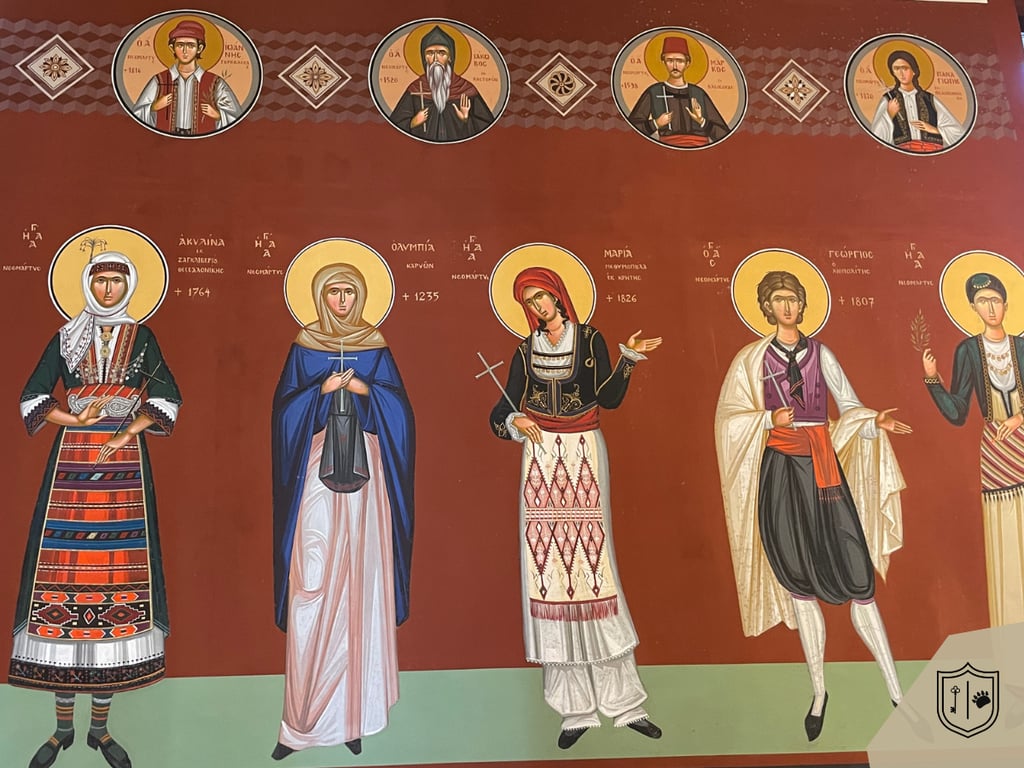
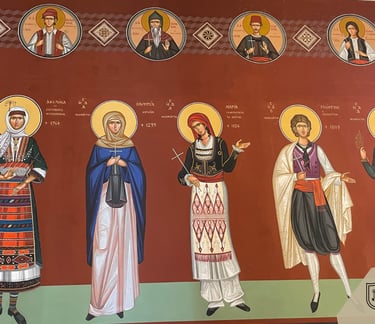
The church’s frescoes depict new martyrs of the Ottoman period as well as modern saints, dressed in historically accurate garments, based on careful research.
Even more remarkable, Saint Nicholas Church in Nymfaio is among the first churches in Greece to feature contemporary elders who were later recognized as saints—including Saint Paisios, Saint Porphyrios, and Saint Iakovos Tsalikis—blending tradition with a living, modern spiritual legacy.
🇬🇷 Where Faith Meets History
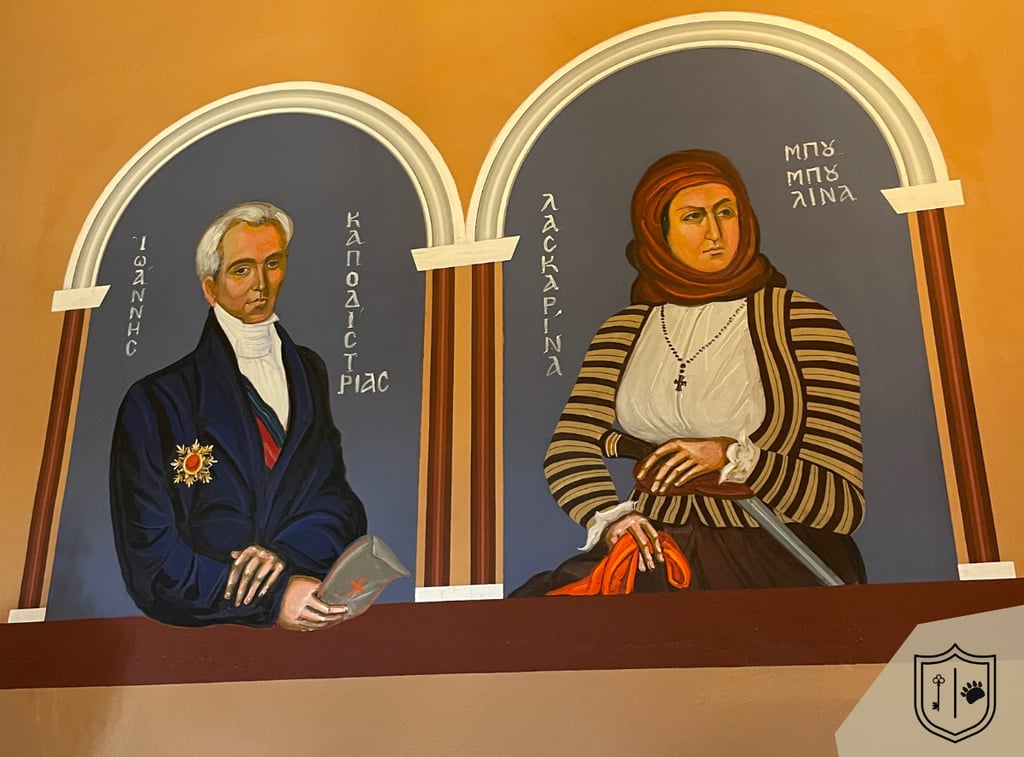
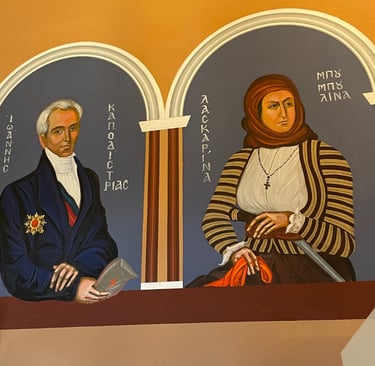
In the narthex of the church, visitors will encounter frescoes depicting heroes of the Greek Revolution and notable figures of modern Greece, including Bouboulina, Ioannis Kapodistrias, and Pavlos Melas.
This moving detail beautifully connects faith, freedom, and historical memory within a single space of prayer.
💫 A Soulful Experience
Visiting Saint Nicholas Church is not just a stop on your journey through Nymfaio—it is a soulful experience. Here, every stone, every fresco, every sound from the bell tower carries the story of people who believed, created, and kept their traditions alive through the centuries.
If you find yourself in Nymfaio, take a moment to cross the threshold of this remarkable church. Father Ioannis will be delighted to share its story with you, and you will leave richer, carrying a piece of the village’s soul with you.