

The lost art of Nymfaio: When silversmithing made history in Western Macedonia
Discover firsthand the art that wrote the history of the village. Visit the “House of Nymphaio” and live an authentic tradition experience.
11/15/20252 min read
In the Heart of Nymfaio: A Tradition That Shines
In the heart of Nymfaio, nestled among elegant mansions and cobblestone streets, lies a story that shines not just metaphorically, but literally. For centuries, Nymfaio was one of Greece’s most important centers for silversmithing and goldsmithing—a craft that left an indelible mark on the culture of Western Macedonia.
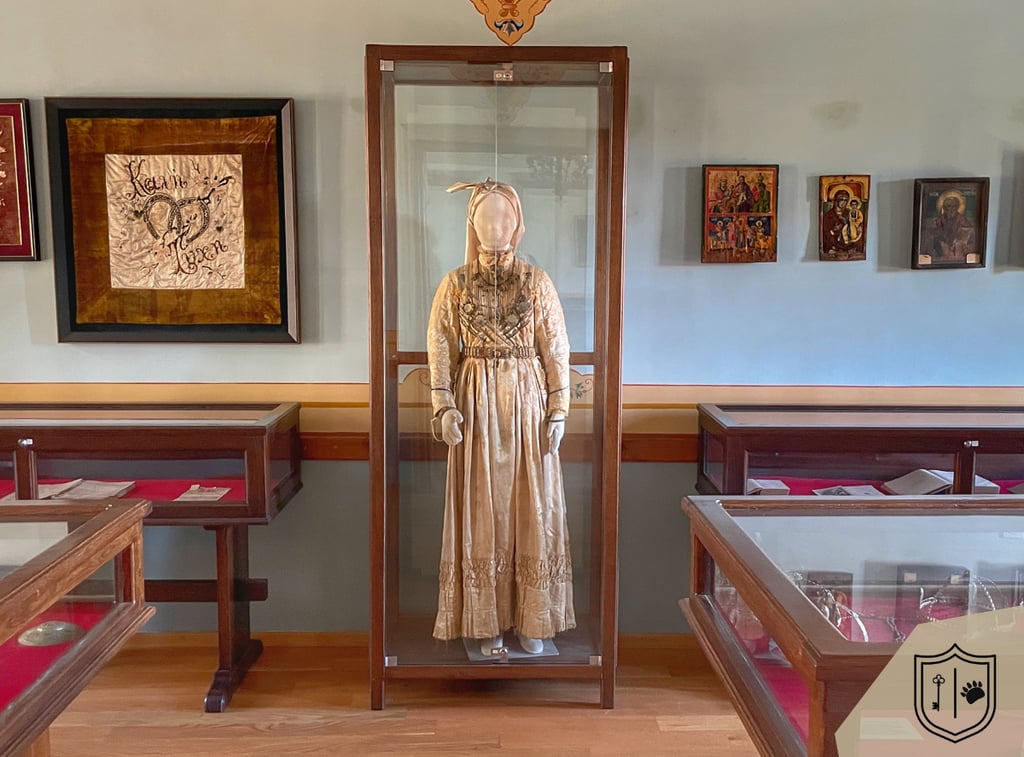
Today, visitors can explore this lost tradition at the “House of Nymfaio,” a small but story-filled museum in the village, where objects of exceptional skill and aesthetic beauty are on display.
The Birth of a Craft in the Mountains
The silversmithing and goldsmithing tradition in Nymfaio began in the 17th century, when Vlach craftsmen from Nikolitza and Moscopole settled in the village. They brought with them techniques, designs, and secrets of a craft that would soon flourish spectacularly.
For decades, this art became an integral part of the village’s identity: at one point, up to 70% of the inhabitants were engaged in silversmithing, creating one of the most active artisan communities in modern Greece.
Although they primarily worked with silver, the locals were known as “goldsmiths” or “kougioumtzis,” a title that reflected both their skill and their respected social standing.
Craftsmen Traveling from Greece to the East
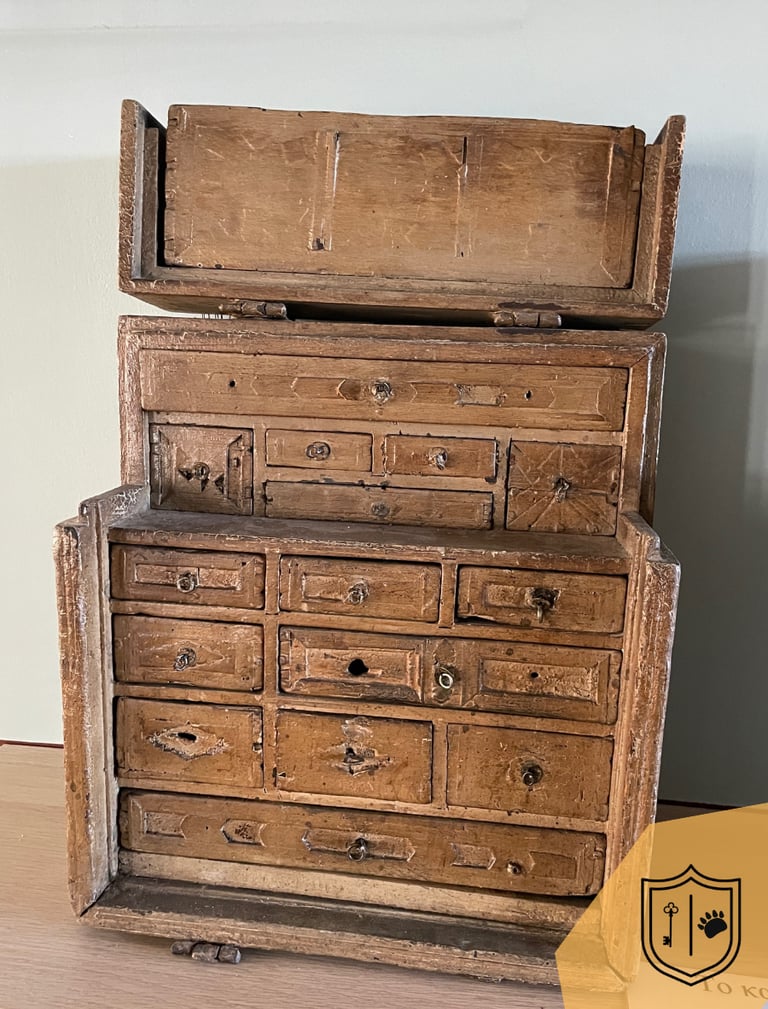
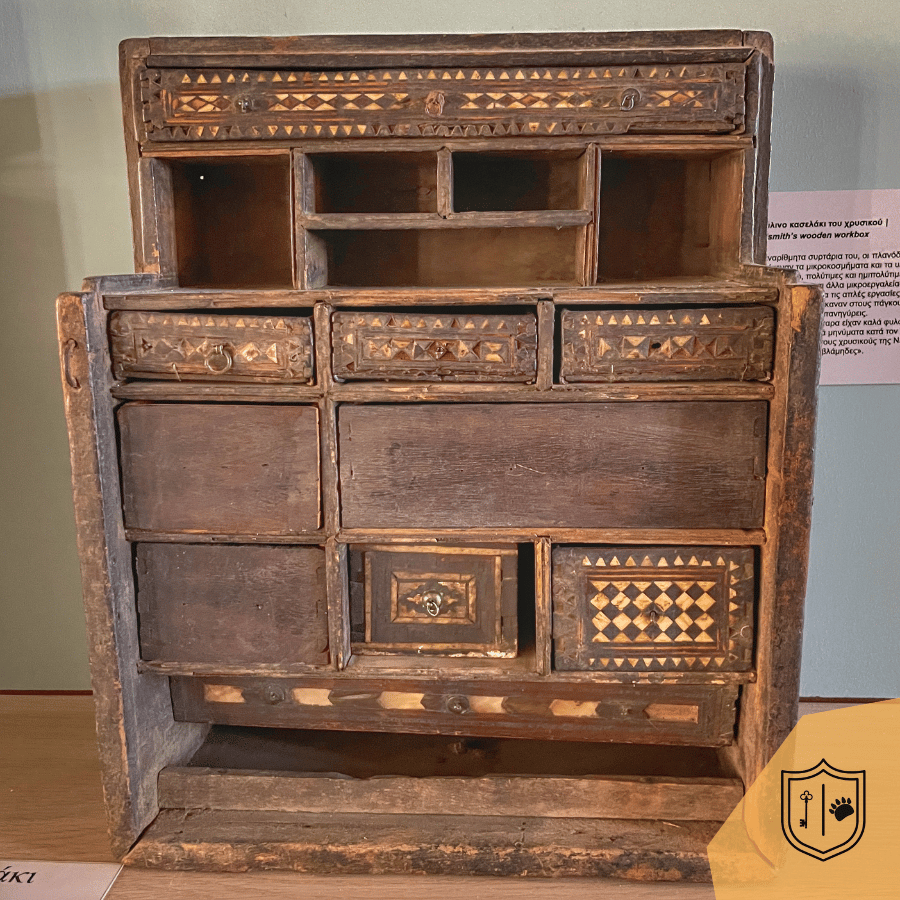
The goldsmiths of Nymfaio never stayed in the village for long. Every spring, they would set off on long journeys carrying their distinctive wooden cases—small portable workshops that held tools, molds, designs, and materials.
They traveled from one market and trade fair to another across Macedonia, and many continued as far as Italy, the Balkans, Egypt, or Constantinople. There, they showcased their jewelry and crafted objects, accepted commissions, and exchanged ideas with artisans from other regions.
During difficult historical periods, these same cases often carried patriotic messages and information about the fighters of 1821, and especially during the Macedonian Struggle, proving how art and history often went hand in hand.
Secrets of Byzantine Technique
Knowledge was passed down exclusively within families, from generation to generation. The craftsmen worked using Byzantine techniques such as casting, filigree, enamel, and savati, transforming precious metals into works of art with astonishing detail.
From Nymfaio’s workshops, artisans created:
Women’s jewelry: belts, clasps, pins, headdresses, rings
Components of men’s weaponry: sheaths, yataghans, swords, powder flasks
Ecclesiastical items: lamps, censers, chalices, processional crosses
Household objects and everyday items
Some craftsmen became renowned for their engraving skills, designing medals, honors, and official insignia that were admired far beyond the village.
The “House of Nymfaio” – A Small Museum with a Rich History
Today, visitors to Nymfaio can explore this unique heritage at the specially curated House of Nymfaio museum, where authentic jewelry, tools, molds, wooden cases, and rare examples of engraving are on display.
It is a space that transports visitors to a time when art, craftsmanship, and daily life were inseparably intertwined.
Recommended for visitors to Nymfaio:
Perfect for those who love art and tradition
An ideal stop for families, travelers, and school groups
A great opportunity for photography and an authentic cultural experience
Easily combined with a stroll through the historic center and the village’s elegant mansions
📸 Collection from the Nymfaio Silversmithing Museum / The House of Nymfaio